
Solar Position
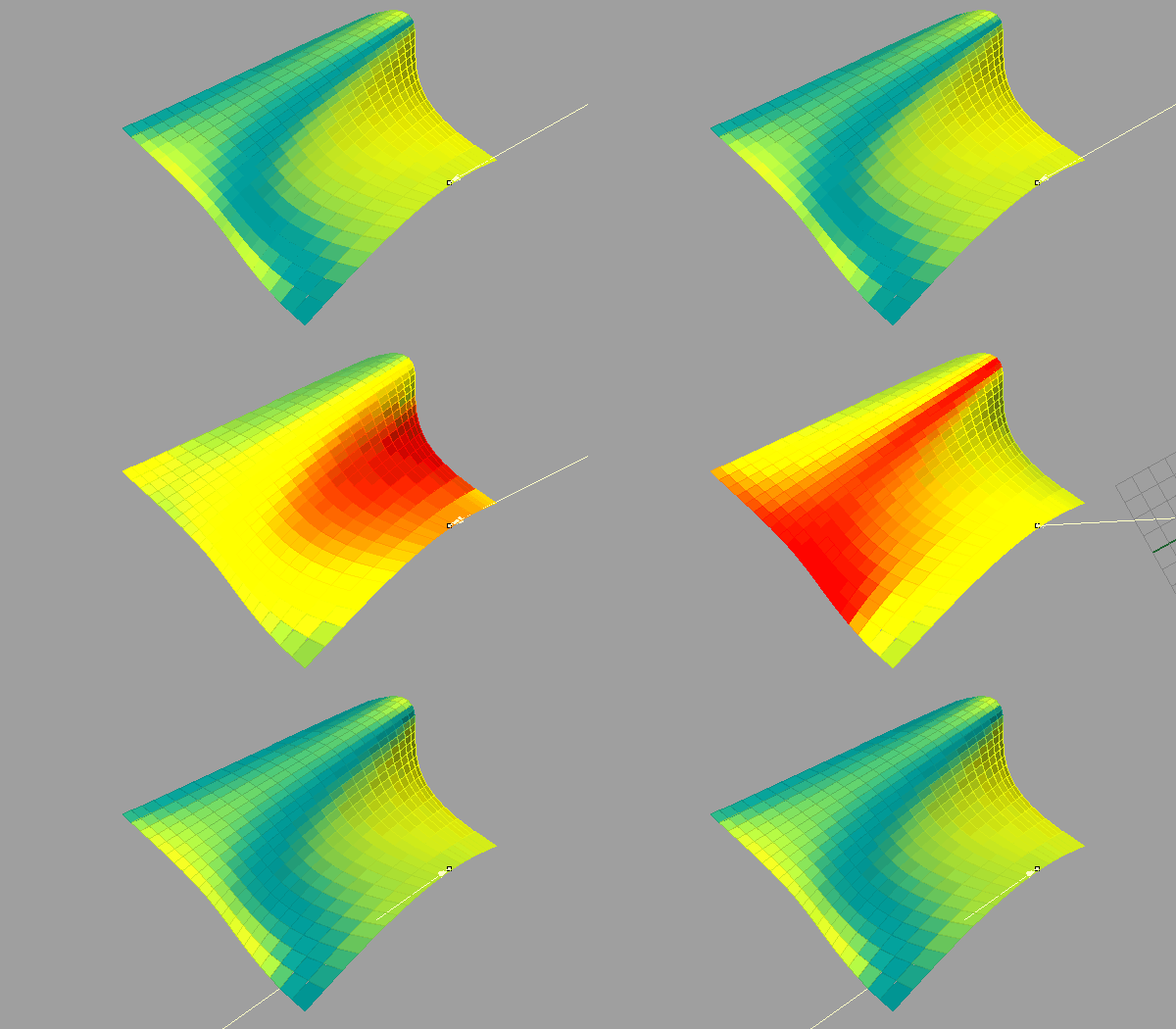
Experimenting with various plug-ins for solar calculations, I found Daniel Da Rocha’s robust implementation of the solar position algorithm in vb.net. It calculates the solar angle of any place and time. Although it’s written in the old vb.net component, it still works great. I’m trying to create a fast and easy workflow to optimize Grasshopper models based on solar directions. This is done by projecting faces to the solar planes and checking how much of their area is included in that direction. After this check, I added a color gradient to see the results (based on the calculation of projected face area / original face area. If it’s 1.0 it means that the face is directly facing the sun at that particular time and day.) The animations below simulate the daily solar cycle of Antalya on March 16th. I’ve picked the coordinates (latitude and longitude values) from google maps.
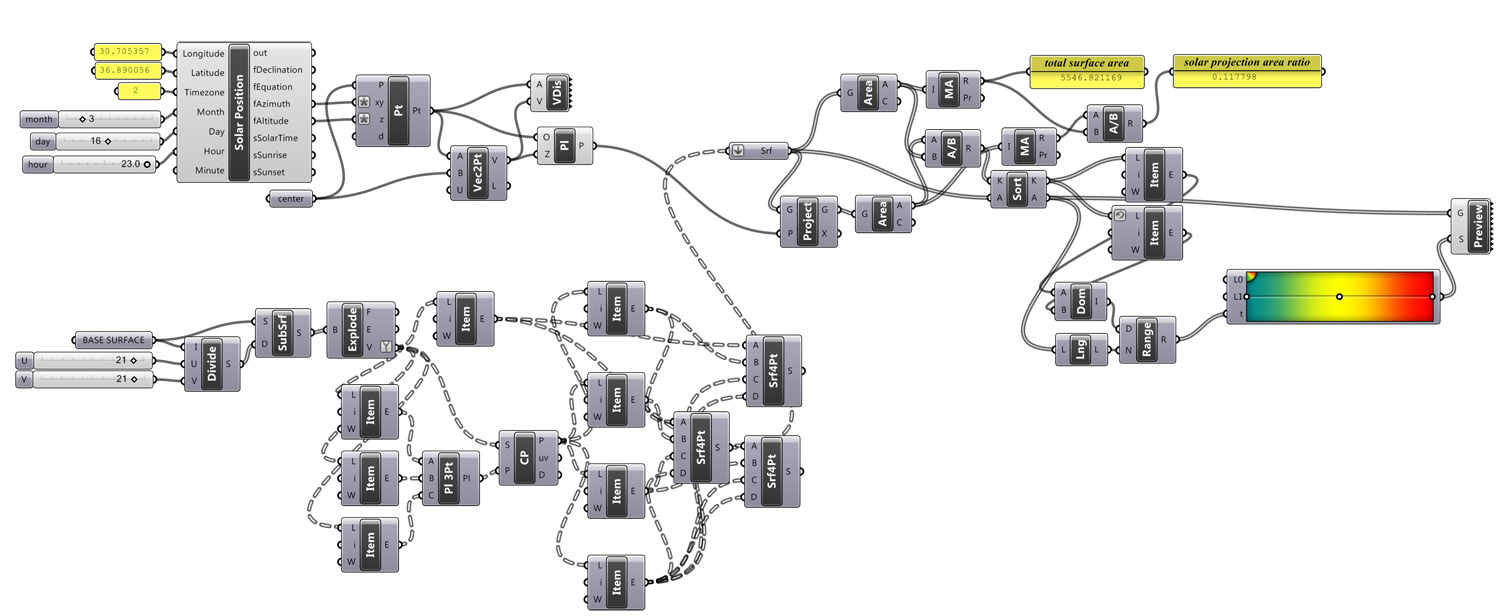
Below is the Grasshopper file that includes Daniel Da Rocha’s sun position script with a couple of additional components to show the solar vector and calculate the face directions.
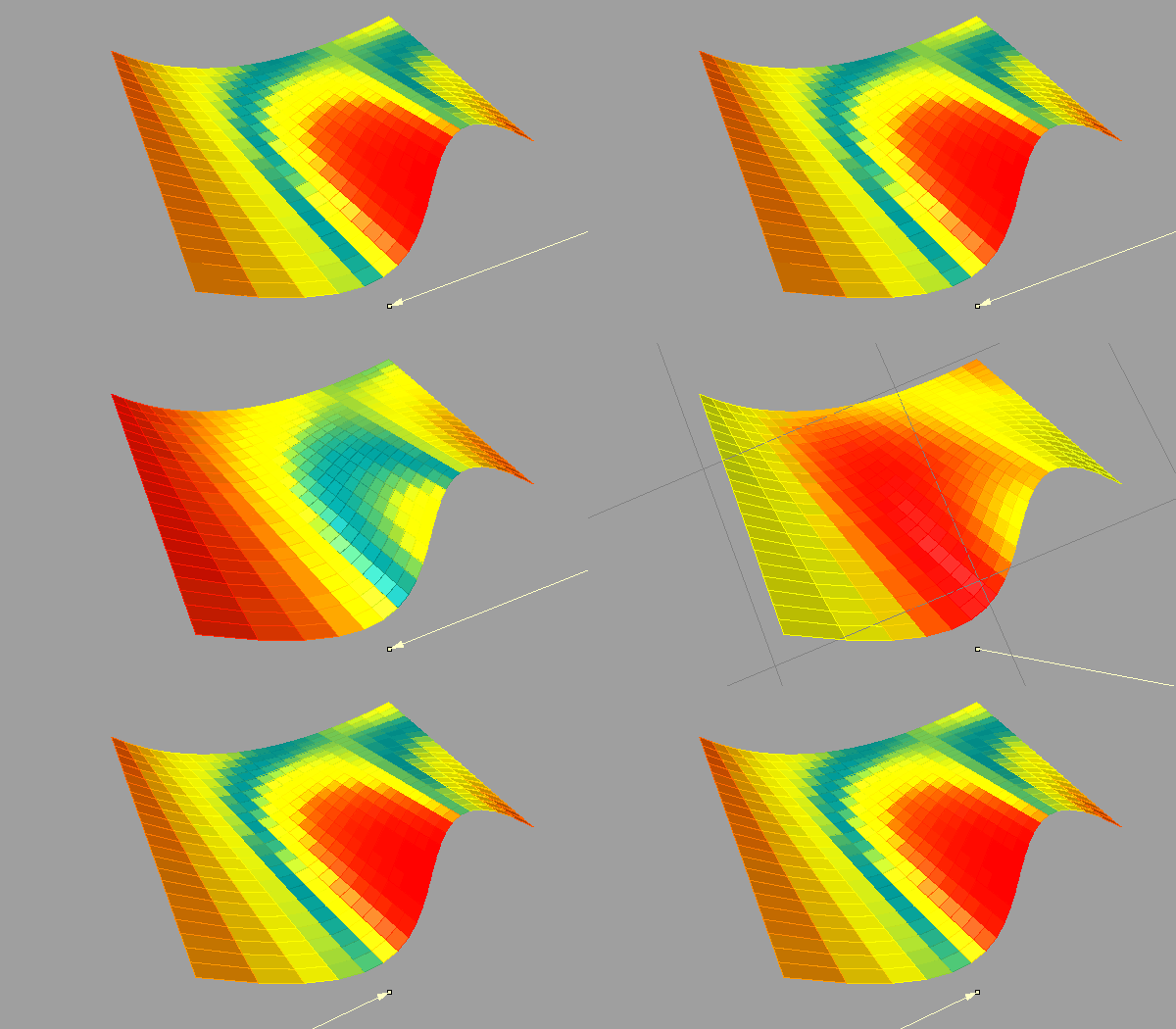
Edit: Somehow, it crashes Rhino if you select a planar (flat) surface as a base, be careful about that, it has to be a curved surface.
Edit: Solar position script is not working on Rhino 5 / Grasshopper 0.9.0061 anymore. Maybe I should check this out in the future.
Cite this post
Related Posts
Solar Analysis including Occlusion
May 31, 2012
I’ve worked a little more about the Solar Position definition I’ve started here. The definition uses Danel da Rocha’s beautiful solar position script and utilizes it with other components. It creates visual output for any given surface, divided into quads (with side faces of course) and coloring according to their orientation to the sun. This time I added an occlusion part to calculate the surface’s own shadow. Now, the solar calculation takes surfaces as obstacles and dispatches the occluded faces…
Landscape Extensions Final: Digital Sketch
February 1, 2015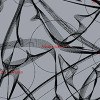
This is the final Grasshopper sketch of our graduate studio conducted together with Fulya Akipek at Yıldız Technical University Computational Design Unit. The project was about designing parametric “Landscape Extensions” at Kabataş Park in İstanbul. I hope I’ll be able to post the actual student works and the material system, but now; only the final result of the digital sketch we’ve developed together with students is presented here. This was a kind of “sketchy” definition that came up as an…
Wind Tunnel in Vasari
April 13, 2012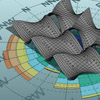
When I was a student, 3D modeling and rendering on the computer was an advanced skill. I only managed to create my first rendering in the 4th-year project. Then, it became a special talent for designers, even opening a freelance business. However, that came to an end when that technology expanded, reaching everybody. Ten years ago, different ecological analysis methods on geometric designs were also another specialized field that everybody doesn’t have access to. Now it seems those technical skills…
Damped Harmonic Motion
October 7, 2026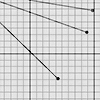
Have you ever thought about making a damped pendulum in Grasshopper? I have no idea why, but I did. I just decided to transfer a Python snippet I found online into a Grasshopper definition. Here, the Initial Angle (Radians) Number slider sets the initial angle to any value from 0 to Pi. The letter G represents the acceleration due to gravity (approximately 9.81 m/s2). This is the primary force pulling the pendulum downward. As you know, pendulums wouldn’t swing without…
Flow Map on Terrains
September 11, 2026
We previously looked at the terrain generator script we used in midterm projects with first-year architecture students over here. Later on, we added a few analysis modules to this tool. You might remember the slope analysis tool from this link. Today’s topic is another type of analysis: flow. The idea for this code wasn’t actually mine; I developed it by looking at an existing script based on Serkan Uysal’s suggestion. Unfortunately, I don’t know who originally wrote it. Keeping track…